

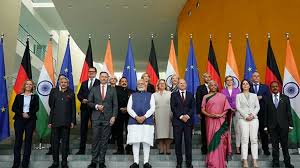
India’s presidency of the G20 in 2023-2024 has been a landmark moment in the country’s global leadership journey. With the theme “Vasudhaiva Kutumbakam” or “One Earth, One Family, One Future,” India has emphasized inclusive and sustainable growth. This theme reflects the nation’s commitment to fostering global cooperation amidst significant geopolitical and economic challenges.
One of the key achievements during India’s presidency was the successful hosting of the G20 Leaders’ Summit in New Delhi. The event witnessed the participation of leaders from major global economies, fostering dialogue on critical issues such as climate change, economic resilience, and health. The summit also facilitated the signing of several key agreements, including commitments to reduce carbon emissions and enhance global vaccine equity.
India’s G20 presidency has also been a platform to highlight pressing global concerns, including food security and digital inclusion. The government launched the “Digital Public Infrastructure” initiative, emphasizing the transformative role of technology in improving governance and ensuring equitable access to services. Additionally, India’s advocacy for the interests of the Global South has garnered widespread acclaim. By amplifying the voices of developing nations, India has redefined the G20’s priorities to focus on equitable development and economic justice.
On the climate front, India has played a pivotal role in pushing for ambitious goals. The summit included discussions on transitioning to renewable energy sources and establishing a framework for climate finance. India’s commitment to achieving net-zero emissions by 2070 has been backed by initiatives like the International Solar Alliance, positioning the country as a leader in green energy.
Despite these successes, the presidency was not without its challenges. Geopolitical tensions, particularly between Russia and Ukraine, threatened to overshadow discussions. However, India’s diplomatic efforts ensured that the G20 remained focused on constructive dialogue and consensus-building.
The presidency has also been a moment of pride for Indian citizens, showcasing the nation’s rich cultural heritage. The use of iconic venues, traditional art forms, and local cuisines during the events added a unique touch, emphasizing India’s role as a global host.
As the presidency concludes, India’s influence on the global stage is undeniable. By fostering collaboration, addressing global challenges, and representing the aspirations of the Global South, India has set a new benchmark for G20 leadership. The legacy of this presidency will continue to shape global policies and partnerships in the years to come.