

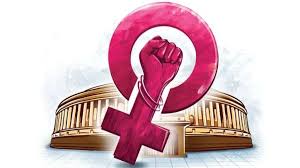
The Women\u2019s Reservation Bill, reintroduced in 2024, has reignited the debate on gender equality in India\u2019s political and social spheres. This landmark legislation seeks to reserve 33% of seats in the Lok Sabha and state legislative assemblies for women, aiming to increase their representation in decision-making roles.
Despite constituting nearly half of India\u2019s population, women remain underrepresented in politics. Currently, female members account for less than 15% of the Lok Sabha, highlighting the systemic barriers they face. The bill, first proposed in 1996, has faced numerous hurdles over the decades due to opposition from various political factions.
Supporters of the bill argue that it is a crucial step toward empowering women and ensuring their voices are heard in governance. Increased representation can lead to more inclusive policies addressing issues like education, healthcare, and gender-based violence. Studies from countries with similar quotas reveal that greater female participation in politics often correlates with improved social and economic outcomes.
However, critics raise concerns about the bill\u2019s implementation. Some argue that it could perpetuate tokenism, with women serving as proxies for male relatives. Others advocate for a phased approach, emphasizing the need for capacity-building measures to prepare women for leadership roles.
The bill\u2019s passage depends on achieving political consensus, with both ruling and opposition parties weighing its electoral implications. Public opinion also plays a vital role, as increasing awareness about gender equality can influence political will.
Beyond the legislative framework, achieving true gender equality requires addressing cultural and societal barriers. Initiatives like increased access to education, economic opportunities, and mentorship programs for women are vital to complementing the bill\u2019s objectives.
If enacted, the Women\u2019s Reservation Bill could transform India\u2019s political landscape, inspiring a new generation of female leaders. While challenges remain, the bill represents a significant stride toward a more equitable and inclusive society.