

For traders, selecting the right stock is usually more challenging than actually executing the trade. It is very time-consuming to track hundreds of daily stock movements, which often lead to missed opportunities.
This is where a stock scanner makes all the difference. A stock screener eliminates manual scanning by filtering the market against specific technical or fundamental criteria, which shows only qualified trades.
Yet, no two scanners function the same way. Some provide a lot of information, while others lack essential trading tools. You can make a better decision if you know what to look for in a scanner.
What Should You Look for in a Stock Scanner?
A stock scanner is good when it makes your trading process simpler. Here are several key features to keep in mind before picking a scanner:
1. Easy-to-Use Interface
A scanner should be easy to use, even for beginners. You shouldn’t waste hours figuring out the software, just to find a good trade. A clean design allows you to spend less time learning the tool and more time spotting great setups.
2. Fast and Accurate Scanning
Stock prices change quickly, so you need a scanner that updates immediately so you don’t miss any good trades. Fast scanning keeps you ahead of the market without wasting time. This allows active traders to focus on analysing the right stocks instead of searching through the entire market.
3. Flexible Filters
Every trader has their own strategy. Some focus on sudden price moves, while others look for specific chart patterns. A stock scanner with multiple filter options lets you create custom screeners rather than relying on generic stock lists.
Why the GTF EYE Stock Scanner Stands Out
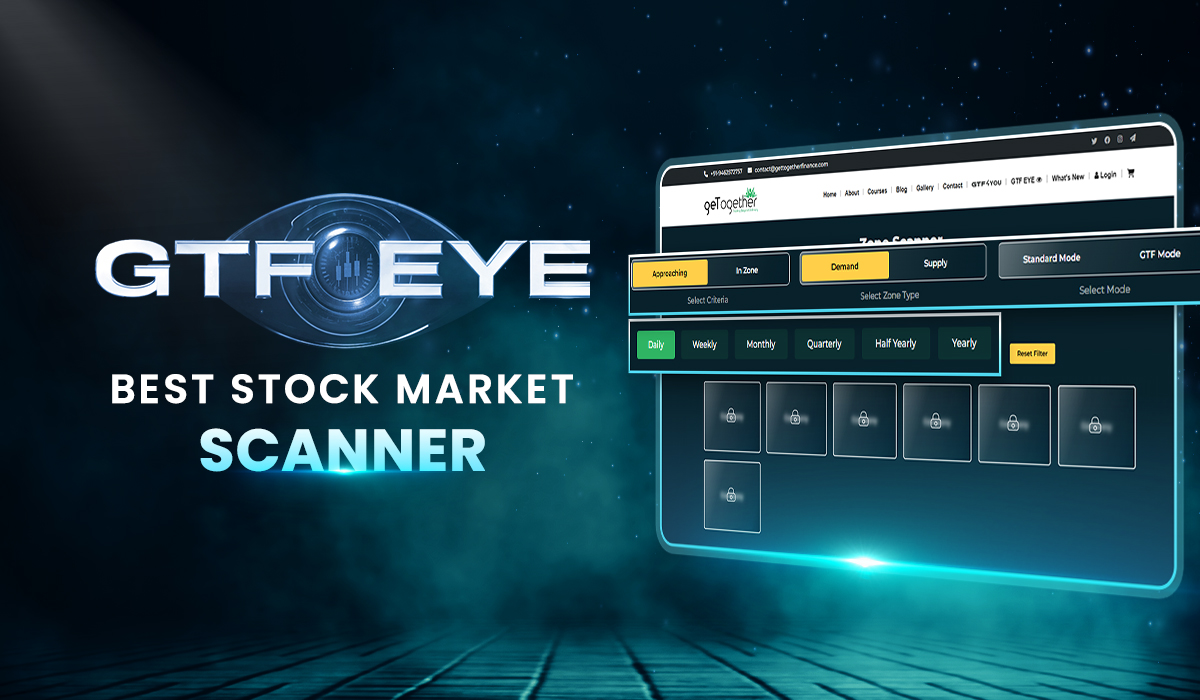
If you need a scanner designed for active traders, consider the GTF EYE Stock Scanner. It makes finding trades effortless without feeling too complicated. One of the biggest advantages of this stock screener is its focus on Demand and Supply Zones. By using GTF EYE, you can quickly find stocks near key price levels, which saves you hours of effort.
The stock screeners also include filters for bullish or bearish trends, breakouts, and both high and low implied volatility (IV) stocks. Whether you’re trading options or underlying stocks, you can quickly filter for setups that align with your specific strategy.
Get Better Market Analysis with the GTF Indicator
Finding the right stocks is just the first step. The next step is to check the charts to see where buyers and sellers are taking control.
This is where the GTF Indicator elevates your analysis. After the scanner finds potential trades, the indicator automatically draws the Demand and Supply Zones for you. By automating zone mapping, traders can concentrate on evaluating market behavior and refining their entry/exit strategies.
Together, these two tools help you spot market opportunities and analyze chart setups seamlessly.
Conclusion
A good stock scanner should save you time, clear up market clutter, and help you focus on high-quality trades. The GTF EYE Stock Scanner accomplishes this objective by using flexible filters alongside Demand and Supply Zone-based technical screening. Combining it with the GTF Indicator gives active traders a faster, simpler, and cleaner way to scan stocks and analyze charts.